Therapy for Autism, ADHD, & Neurodivergence in NYC
Here, it’s safe to
take your mask off.
ONLINE SERVICES AVAILABLE ACROSS
New york, Maryland, & VERMONT

It seems like no matter what you do, people are constantly misunderstanding you.
Maybe you were diagnosed with ADHD or autism as an adult, or you've recently started wondering if you're AuDHD after years of feeling like you were doing life "wrong." Sometimes, the way others respond to you makes you feel like an alien; out of place and ashamed that you can’t just be like everyone else. This has led to learning to hide behind carefully constructed personas, and you’ve been wearing those masks for so long that you’re not sure who you really are.
Maybe you…
Feel like everyone else got the rulebook for how to do life, and you're left wondering why ADHD, autism, or AuDHD make even simple things feel so much harder than they "should."
Are burnt out and over it. Autistic burnout or ADHD burnout has you struggling to keep up at work or school, even with things you used to handle just fine.
Used to be the “gifted kid,” but now you just feel like a fraud who can’t figure out why everything feels so exhausting.
Keep having the same arguments with your partner, friends, or family, and wonder if your neurodivergent brain is part of why connection feels so hard.
Were recently diagnosed, or are self-identifying, as Autistic, ADHD, or AuDHD as an adult, and feel a mix of relief, grief, and frustration that no one caught it sooner.
Want to be able to unmask and lean into your authentic self, but don't know how to after years of social conditioning telling you to act "normal."
Have worked with therapists in the past, but left feeling unseen, dismissed, or like you had to tone down your neurodivergent traits to be taken seriously.
Who We Help
We specialize in working with adults who are late-diagnosed or self-identified as Autistic, ADHD, or AuDHD; often after years of feeling like something was "off" without knowing why. You don't need a formal diagnosis, paperwork, or anyone's permission to start.
We work with:
Adults diagnosed with ADHD, Autism, or AuDHD later in life
Self-identified neurodivergent adults who haven't pursued (or don't need) a formal diagnosis
Former "gifted kids" and twice-exceptional adults now navigating burnout
Highly sensitive, sensory-aware, or socially exhausted individuals
Neurodivergent adults working through relationship, friendship, or family dynamics
Anyone exploring for the first time whether they might be neurodivergent
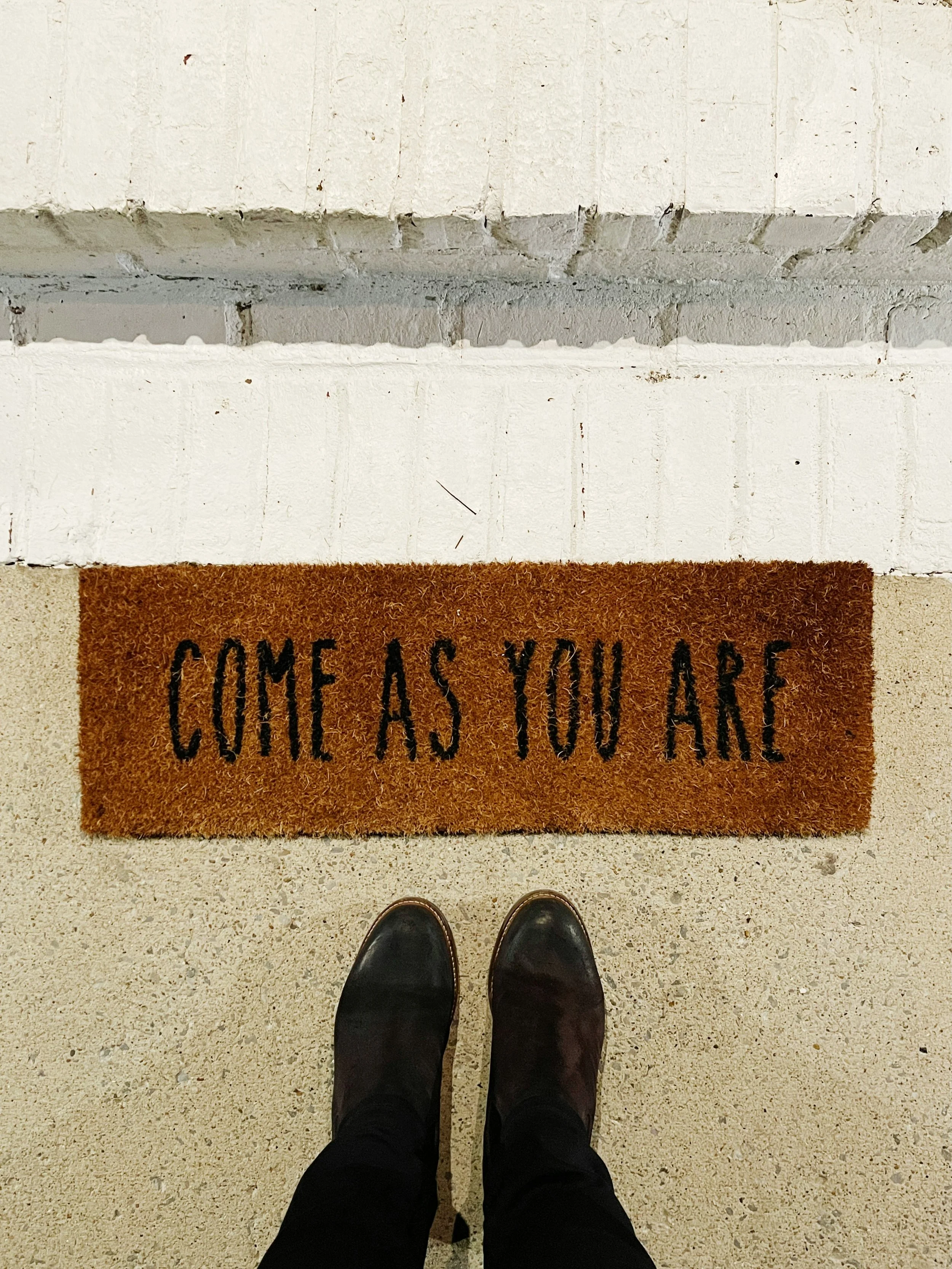

Our approach
If you’ve ever felt like therapy wasn’t built with you in mind, you’re not alone. It doesn’t have to be that way.
We know how important it is to feel truly understood and supported without needing to mask or explain every little thing. We tailor therapy to you: your brain, your needs, your pace. That might mean meeting with the camera off, communicating by text during session, using fidgets, or moving around while we talk. We work together to make the space feel safe and accessible, so you can show up just as you are. You can be anywhere in New York, Maryland, or Vermont, and still get support.
We’ll collaborate on what you want to get out of therapy, whether that’s understanding your brain better, navigating relationships, finding ways to self-accommodate and advocate for your needs, or grieving all the years you didn’t feel seen or accepted. Growing up in a world that isn’t designed for you is a traumatic experience in and of itself, and we can explore trauma treatments like EMDR and Accelerated Resolution Therapy (ART) to help you heal those wounds, too.
We’ll also unpack the messages you’ve internalized about neurodivergent people that could be contributing to the shame you may feel around owning your identity. This can show up in your thoughts as “I should be able to do this like everyone else” or “I don’t need to ask for accommodations, it’s not bad enough for that.” Together, we’ll discredit those beliefs and begin building a life that actually works for you.

imagine A life where you…
Understand your brain and what it needs
You’ve got a better sense of how your neurodivergence shows up in everyday life, and you’ve figured out ways to work with it instead of constantly fighting it.
Feel less shame and more self-acceptance
The old “shoulds” and internalized judgments lose their grip, and you start to believe that your needs are valid just as they are.
Set boundaries and speak up for yourself
Whether it’s at work, in relationships, or with family, you feel more confident asking for what you need and holding space for yourself.
Show up more fully as yourself
You’re able to unmask, embrace your identity, and feel more authentic in your relationships—and things start to feel lighter and more aligned overall.
Move through life with more clarity
Instead of feeling lost, you’ve got a clearer sense of who you are and what truly matters to you.
Getting Started Is Simple
1
Book a free consultation
We'll spend 15 minutes talking through what's bringing you here, answering your questions, and making sure it feels like a good fit. No pressure, no diagnosis required.
2
Start your first session
We'll begin getting to know each other and talking through what support could look like. Every part will be tailored to how your brain actually works
3
Build what fits your life
From there, we'll figure out what frequency and format works best for you, and keep adjusting as we go. It’s your journey, and you’re in control.
You deserve to feel like you belong.
Take the first step toward becoming your truest self.
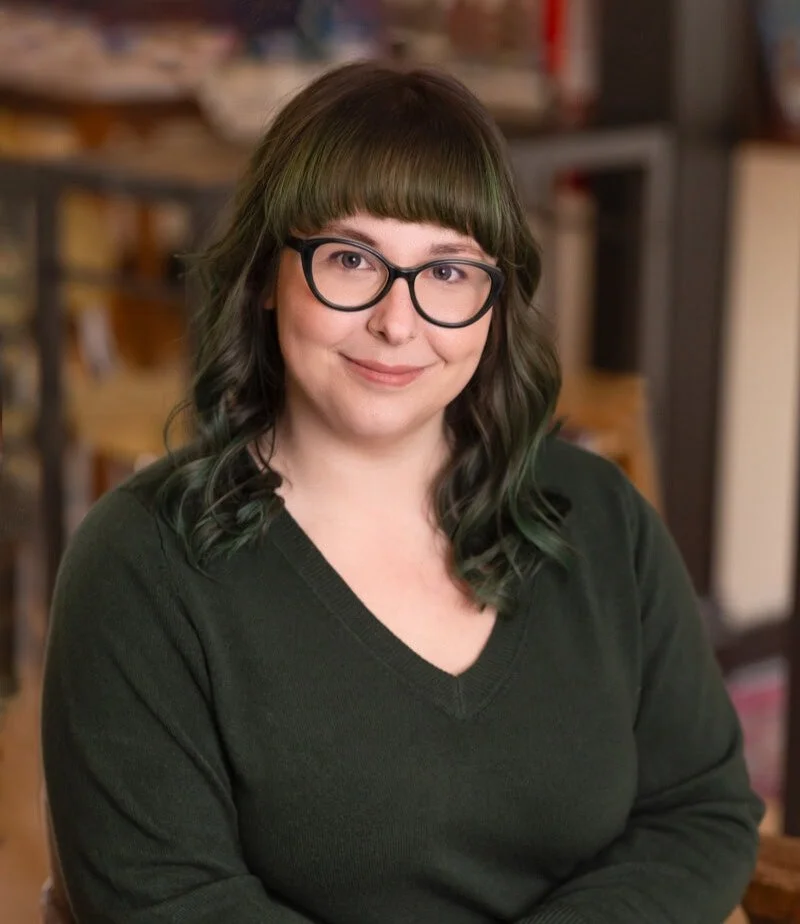
A Therapist Who Gets It
Randi Robbins, LCSW, is a licensed therapist based in New York who has spent 7 years working with neurodivergent adults. Many of those adults came to therapy after a late diagnosis or self-identification as Autistic, ADHD, or AuDHD. She has sought out additional training in neurodivergent-affirming care, and brings that lens to everything from EMDR and Accelerated Resolution Therapy to everyday conversations about boundaries, burnout, and unmasking.
Randi also brings personal insight to this work. As a former "gifted and talented" kid who was diagnosed with AuDHD later in life, she understands firsthand what it's like to spend years masking, overachieving, and wondering why things that seemed to come easily to others felt so hard. Many clients say it makes a real difference to work with someone who has walked a similar path.
FAQ
Common questions about neurodivergence-affirming therapy for Autism, ADHD, and AuDHD
-
Not at all. You don’t need a diagnosis, paperwork, or permission from anyone to get support. If you identify with traits associated with ADHD, autism, or AuDHD — or life is just feeling harder than you think it should — that's enough of a reason to reach out. We're here to meet you where you are and help you figure out what could make things easier.
-
Neurodivergent is an umbrella term that includes things like ADHD, autism, learning disabilities, sensory processing differences, and more. It can also include folks with OCD, Tourette’s, and even those who’ve experienced brain injuries or trauma that affect how they think and process. Everyone’s brain works a little differently—and being neurodivergent just means yours works in a way that doesn’t fit the typical mold. I offer a space that affirms and understands those differences, so you don’t have to translate or explain yourself the whole time.
-
Maybe you’ve always felt kind of out of sync with the people around you, or like everyday things just take more effort than they seem to for others. You might have intense interests, be really sensitive to sounds or textures, struggle with focus or transitions, or feel totally drained after social interactions. Some people start wondering about neurodivergence after learning more about it through others or noticing patterns that suddenly make their past make more sense. Whether you’re deep into self-discovery or just starting to ask questions, therapy with me can be a supportive space to explore it all—without judgment, pressure, or needing to have it all figured out.
-
Your health information is yours, and we do not share it without your permission. If you think you might wish for us to share any of your health information with anyone, including diagnosis, we will discuss the pros and cons of that with you first.